How to Choose a Web Development Stack in 2026
Stack debates are usually popularity contests dressed as engineering. The framework that wins on social media is not necessarily the one your team can hire for, maintain and debug at 2 a.m. A good stack in 2026 is the smallest set of tools that lets a specific team ship reliably for the next three years.
Start with constraints, not features
Write down the real constraints: team size, budget, deadline, expected traffic, compliance requirements and who will maintain the site after launch. A marketing site and a multi-tenant SaaS product have almost nothing in common, even if both are "web apps". The constraints eliminate most options before any comparison begins.
Then list the work the site must do. Content pages, authenticated dashboards, payments and real-time features each pull the stack in a different direction. A stack that handles all four is usually heavier than a stack that handles the two you actually need.

The mainstream default is usually correct
For most business sites, a mainstream framework with server rendering, a managed relational database and a CDN covers everything. It has a large hiring pool, mature documentation and hosting that scales without a dedicated operations team. The boring choice is a feature, not a failure of ambition.
Specialised stacks make sense when a constraint demands them: a team already fluent in a language, a product that needs a specific runtime, or a workload where hosting costs dominate. Even then, isolate the special part and keep the rest conventional. Uniformity is easier to operate than elegance.
Frontend: rendering model matters more than the logo
Choose between server-rendered pages, static generation and client-side rendering based on content freshness and interactivity. Marketing pages benefit from static or server rendering with hydration limited to interactive islands. Dashboards can be client-heavy because the user is authenticated and patient after the first load. Mixing models per route is normal in 2026.

Backend and data
Use a managed database unless you have a clear reason to operate your own. Postgres remains the safe default for relational data, and managed services handle backups, failover and upgrades. Add a cache only when measurements show a need. Add a queue only when work must happen outside the request cycle.
Define the API style early. A typed contract shared between client and server prevents a class of bugs and makes refactoring safer. Whether that is REST, GraphQL or server actions matters less than consistency and versioning.
Hosting and delivery
Pick a host that matches the rendering model. Static and server-rendered apps fit edge platforms and container hosts; long-running jobs and WebSockets may need a traditional server. Check the pricing at your expected traffic, not at the free tier. Egress, build minutes and database connections are where bills surprise people.
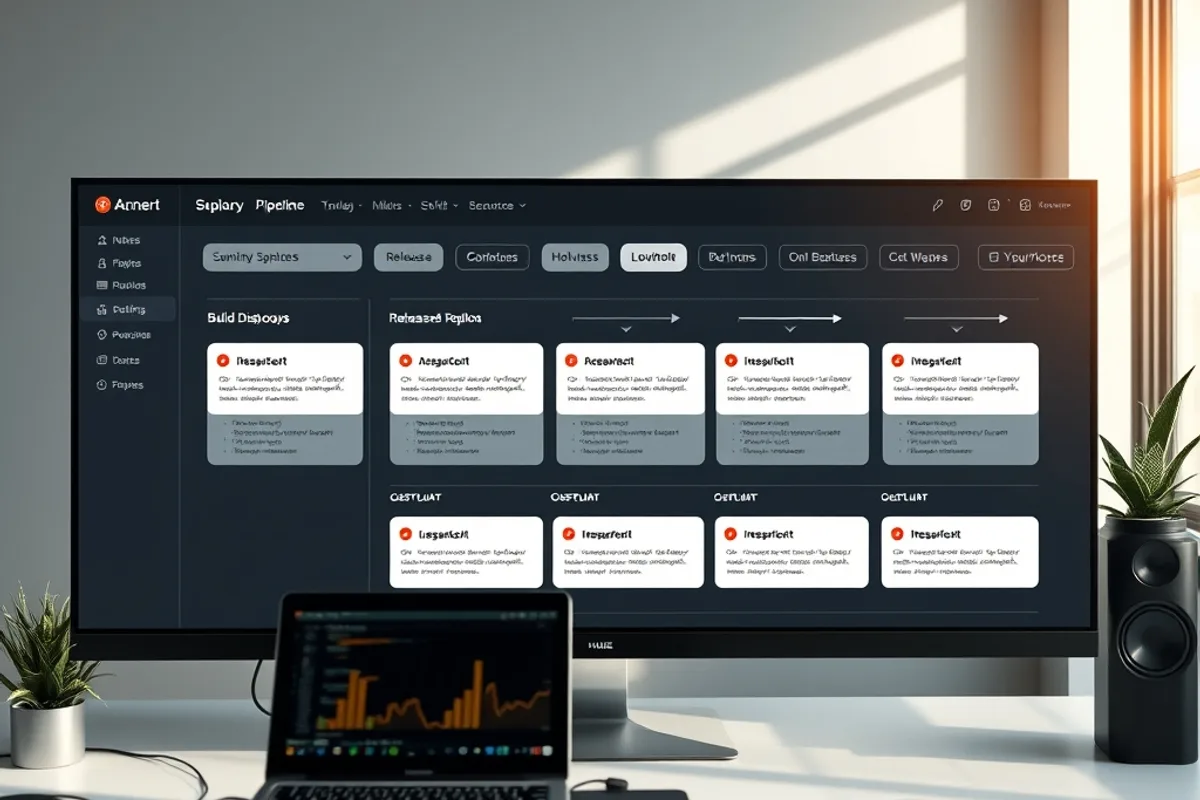
Set up preview deployments, automated tests and one-command rollback before the first feature ships. A stack is only as good as its delivery pipeline. If deploying is scary, the team will deploy less often, and quality will fall.

Total cost of ownership
Add up licence fees, hosting, monitoring, security patching and the engineer hours needed to keep the stack current. A free framework with an expensive operational burden is not cheap. A paid platform that removes a full-time role can be a bargain. Put the numbers in a spreadsheet and compare three years, not one.
Consider the exit. Can you export the data? Are you dependent on proprietary APIs for core features? A stack you can leave is a stack you can negotiate with. Portability is insurance, and it is cheaper to design in than to retrofit.
The bottom line
Choose for the team you have, the work the site must do and the cost of maintenance. Default to mainstream tools, isolate anything unusual, and invest in delivery before features. If performance is a priority, pair this with our Core Web Vitals checklist.