Edge AI in 2026: What Runs on Your Device and Why It Matters
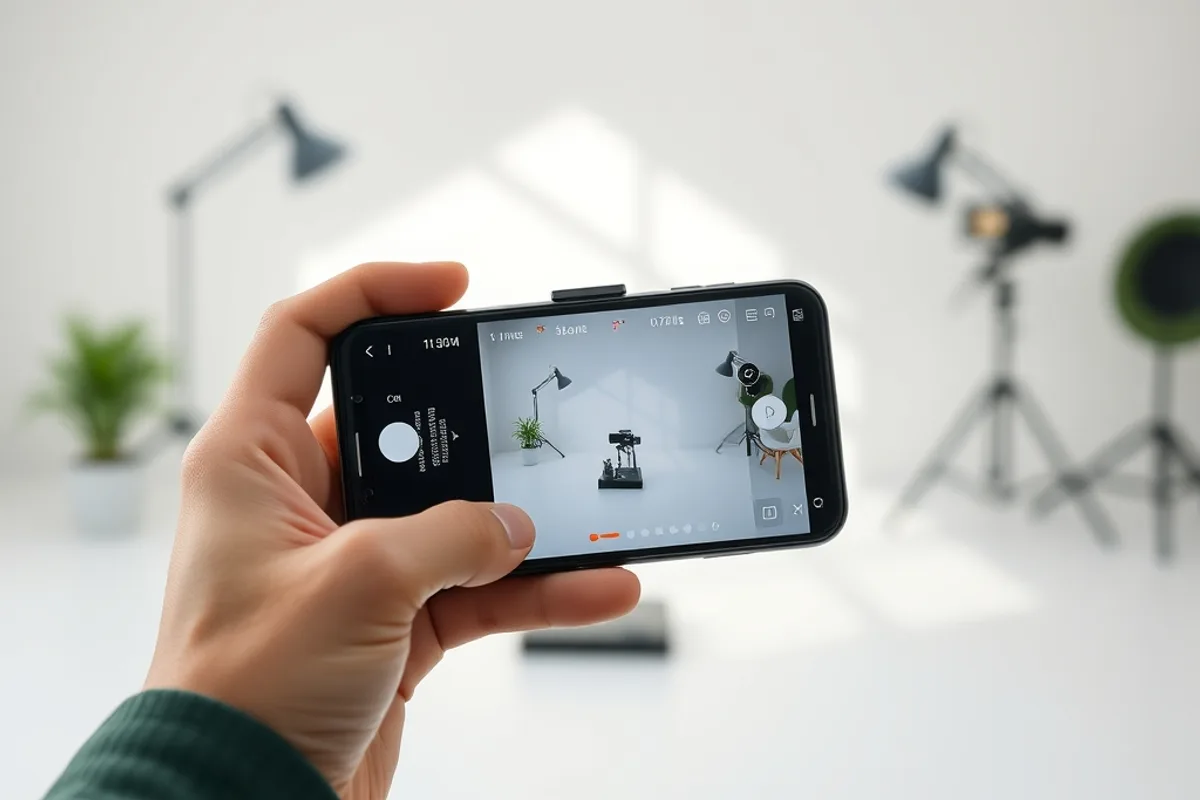
Every few years the same workload moves to a new place. Mainframes became servers, servers became cloud regions, and now a useful slice of artificial intelligence is moving back onto the device in your pocket. The industry calls it edge AI. The practical version is simpler: your phone, laptop, camera or car makes a decision locally instead of uploading everything to a data centre first.
What "edge" actually means
Edge AI is inference that happens close to the source of the data: on the phone, in the camera, inside the vehicle or on the factory gateway. Training still happens in the cloud, because that needs large datasets and clusters of accelerators. The edge handles the moment of decision, where a delay of a second is too long or where sending the data is a privacy problem.
That distinction matters when you evaluate a product. A security camera that describes itself as AI-powered may upload every frame to a subscription service, or it may analyse motion on a chip inside the unit. Both are marketed with the same words, and they behave very differently when the internet drops.

Why 2026 is the tipping point
Three things converged. First, NPUs became standard rather than premium: even mid-range phones now carry a processor designed for matrix maths. Second, small language and vision models improved enough to be useful at a few billion parameters. Third, the tooling matured. Quantising a model and running it on a mobile runtime is now a documented workflow rather than a research project.
The result is that features once sent to a server are now shipped in app updates. Live translation, background removal, transcription and on-device photo search all work offline in 2026. They are not perfect, but they are instant, and they do not require you to trust a vendor with the original file.
Where edge AI earns its keep
Photos and video
Portrait blur, object removal and low-light enhancement are now computed locally in milliseconds. The gain is not only speed; it is that the original image never leaves the phone unless you choose to share it.
Speech and transcription
Dictation that works on a plane, meeting notes that never touch a cloud account and voice commands in a noisy workshop are the strongest consumer examples. Accuracy in quiet conditions is close to cloud services; heavy accents and specialist vocabulary still favour larger remote models.
Industrial and retail vision
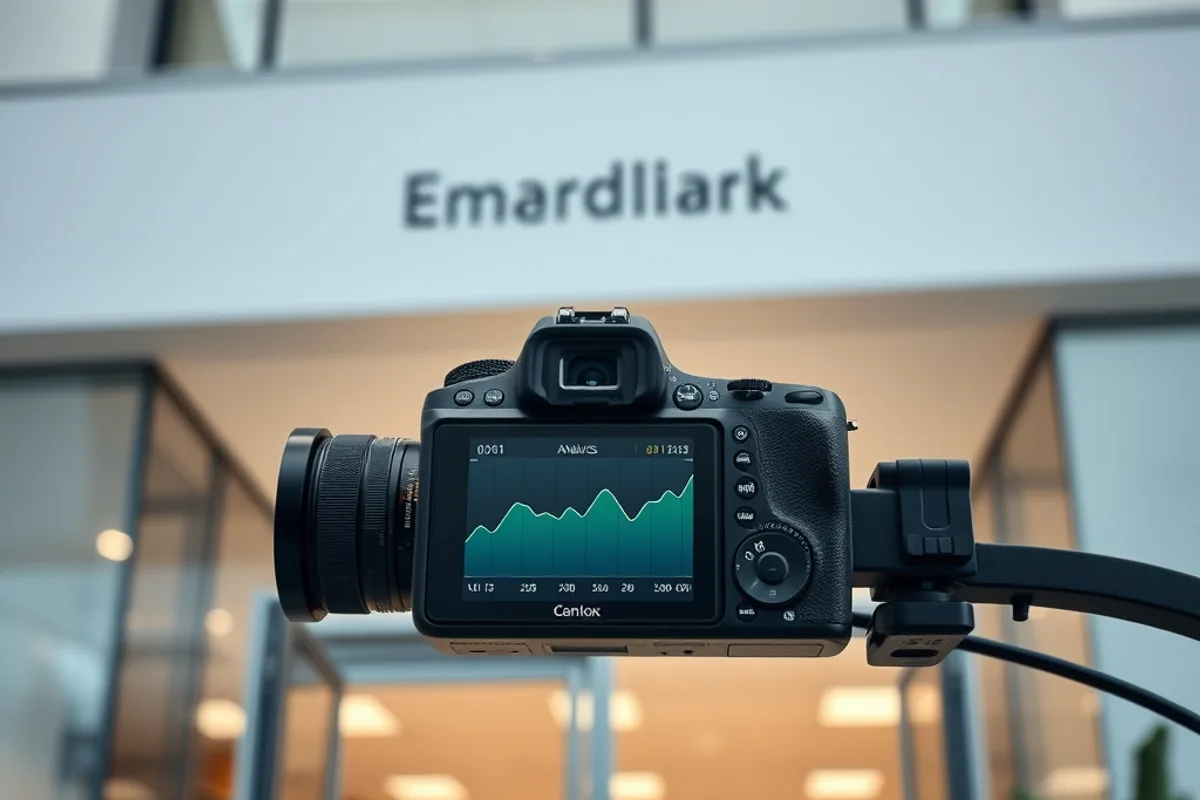
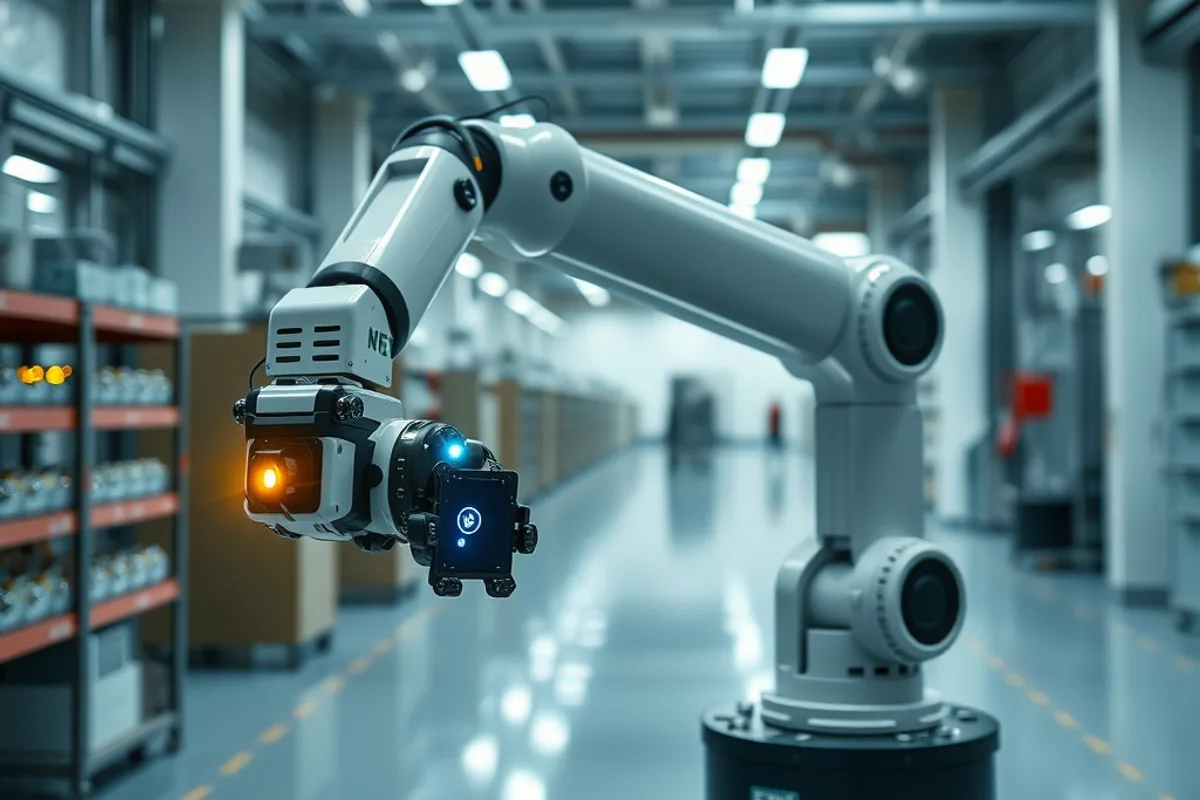
On a production line, a camera checking a part needs to decide in single-digit milliseconds. Round-tripping to a data centre adds cost and a point of failure. Local inference also keeps footage inside the plant, which often settles a compliance question before it is asked.
The trade-offs nobody puts on the box
Edge models are small because they have to fit in memory and a power budget. That means they fail differently from cloud models: less general knowledge, weaker handling of rare inputs, and a tendency to be confidently wrong in situations the training data did not cover. Any workflow that needs broad reasoning still belongs in the cloud.
There is also a maintenance cost. A cloud model improves when the provider updates it. An edge model improves only when the app or firmware ships a new version, and older devices may never receive it. When you buy hardware for its AI features, ask how long those features will be updated and whether the model runs on the device or depends on a service that can be switched off.
"The question is not whether the AI is on the edge. It is whether the product still works when the connection is not."
How to judge an edge AI device
Ignore the TOPS number on the specification sheet. It describes a peak that no real workload sustains. Instead, ask three questions. Does the feature work in airplane mode? How much storage does the local model occupy? And what happens to the data: is it deleted after processing, or retained and synced?
Run a realistic test in the shop or during a return window. Use it in poor light, with an accent, with a large file. Edge AI is at its best when it disappears into a task you already do. If you have to think about it, the implementation is not there yet.
The bottom line
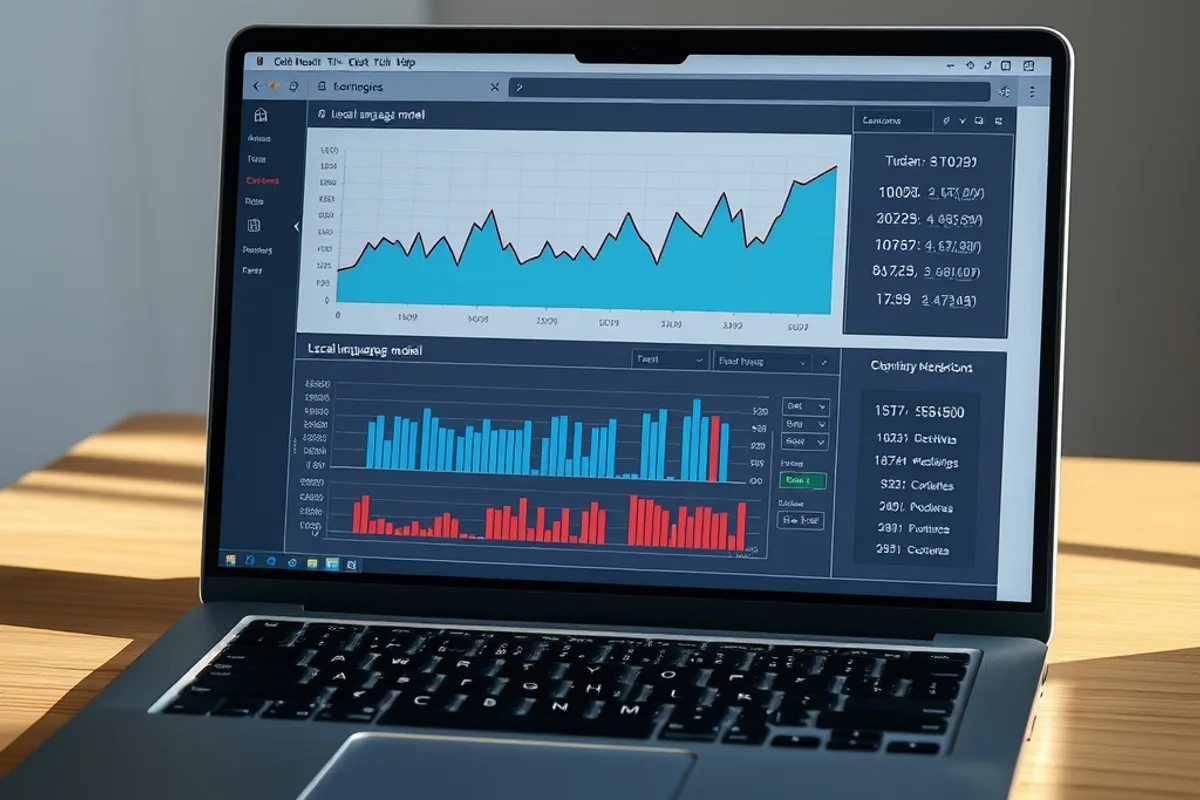
Edge AI is not a replacement for cloud intelligence. It is a second layer that handles the fast, private, local decisions, while the cloud handles the heavy thinking. Buy for the feature that works offline, check the update policy, and keep your expectations calibrated for a small model. For the business version of this shift, read our digital transformation roadmap.