Technical SEO in 2026: The Checklist That Still Moves Rankings

Technical SEO has a reputation for complexity, but most ranking problems come from a short list of basics: pages that cannot be crawled, pages that should not be indexed, duplicate URLs and slow templates. Fix those and the content has a fair chance. Skip them and even good writing competes with a handicap.
Crawling and indexing
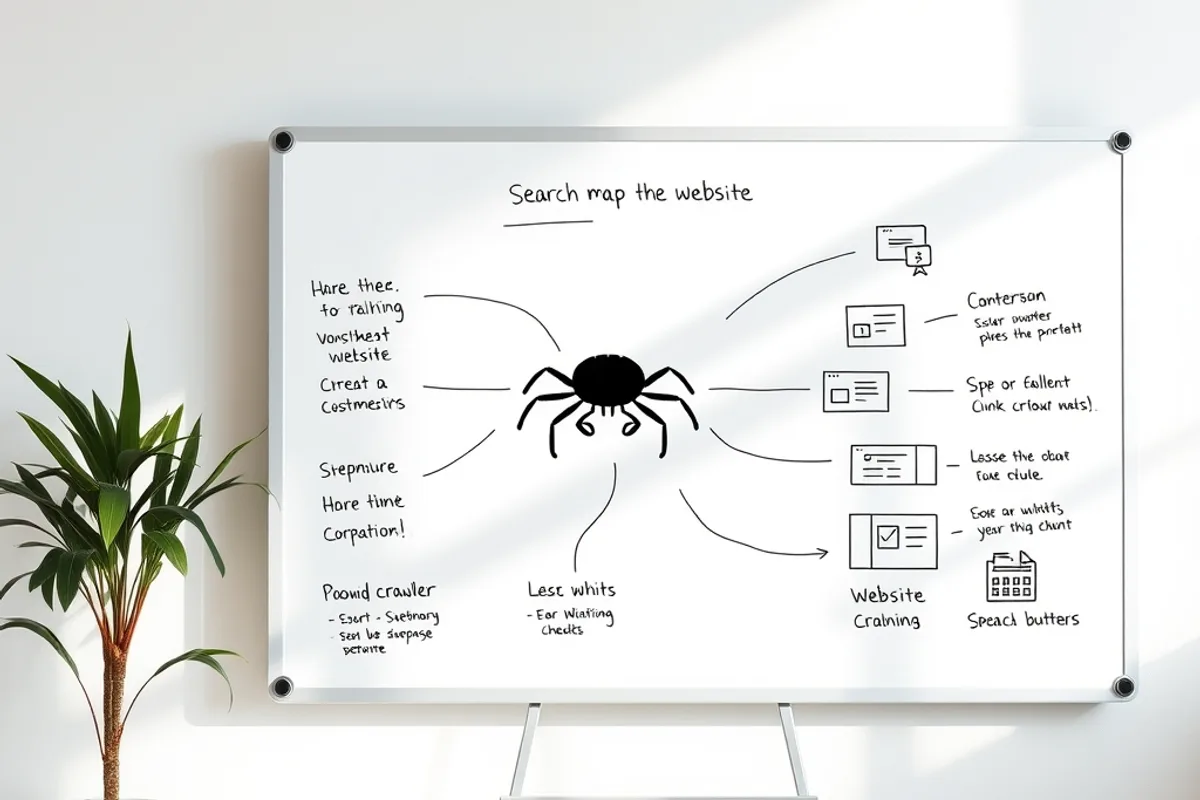
Open the crawl report in your search console and look for pages discovered but not indexed. Then check robots.txt, meta robots and authentication. A staging password or a stray noindex tag can quietly remove a section from search for months. Confirm that the XML sitemap contains only canonical, indexable URLs.
Check the crawl budget on large sites. Faceted navigation, internal search results and session parameters can generate thousands of near-duplicate URLs. Block the ones with no search value, canonicalise the rest and keep the sitemap honest.
Canonicals and duplicates
Every page should have one preferred URL. Enforce it with a canonical tag and, where possible, a redirect from variants. Watch for http versus https, trailing slashes, uppercase letters and tracking parameters. These are unglamorous and they are the most common cause of split rankings.
Pagination needs a clear policy. Use self-canonicals on paginated pages and make sure the links are crawlable. Do not canonicalise every page to page one; that hides the deeper content from search entirely.
Structured data that matches reality
Add schema for the things the page actually contains: Article, Product, FAQ, Breadcrumb, Organization. The markup must match visible content. Rich results are a bonus, not a substitute for clarity. Validate with the official testing tool after every template change.
Mobile experience and speed
Most crawling and most traffic are mobile. Test the template on a mid-range phone: tap targets, font size, horizontal scroll and intrusive interstitials. Then check Core Web Vitals field data. A page that passes in the lab but fails in the field is still a slow page for real users.
Fix the largest contentful element first, then reduce main-thread JavaScript. Image dimensions, font loading and third-party tags are the usual suspects. Performance is a ranking input and a conversion input, so the work pays twice.

Internal linking and architecture
Important pages should be reachable within three clicks from the home page. Use descriptive anchor text and link related articles to each other. Orphan pages, reachable only from the sitemap, rarely earn links or rankings. A clear category structure helps both users and crawlers.
Audit for broken links and redirect chains. Each hop wastes crawl budget and dilutes signals. Update the link at the source rather than adding another redirect.
Logs, monitoring and recovery
Server logs tell you what search engines actually request, which is often different from what a crawler tool assumes. Review them monthly for errors, unexpected parameters and pages that receive no crawl attention. Set uptime and index-coverage alerts so a problem is caught in hours rather than weeks.
Keep a change log for redirects, robots rules and template releases. When traffic drops, the cause is usually in the last two weeks of changes. A timeline turns a panic into a diagnosis.
"Technical SEO is not a trick. It is removing every reason a search engine might misunderstand the page."

The bottom line
Crawlability, clean canonicals, honest schema, mobile speed and sane internal links cover most of the work. Audit the template rather than individual pages, and keep a change log. For the next layer, read our AI search visibility guide.