Smart Home Devices That Actually Save Money in 2026
Most smart home purchases are justified with a vague promise of savings. In reality, a connected device saves money only when it changes how much energy or water you use, not when it gives you another app to check. This guide ranks the categories that pay back, the ones that are convenience only, and the payback period you should expect before buying.
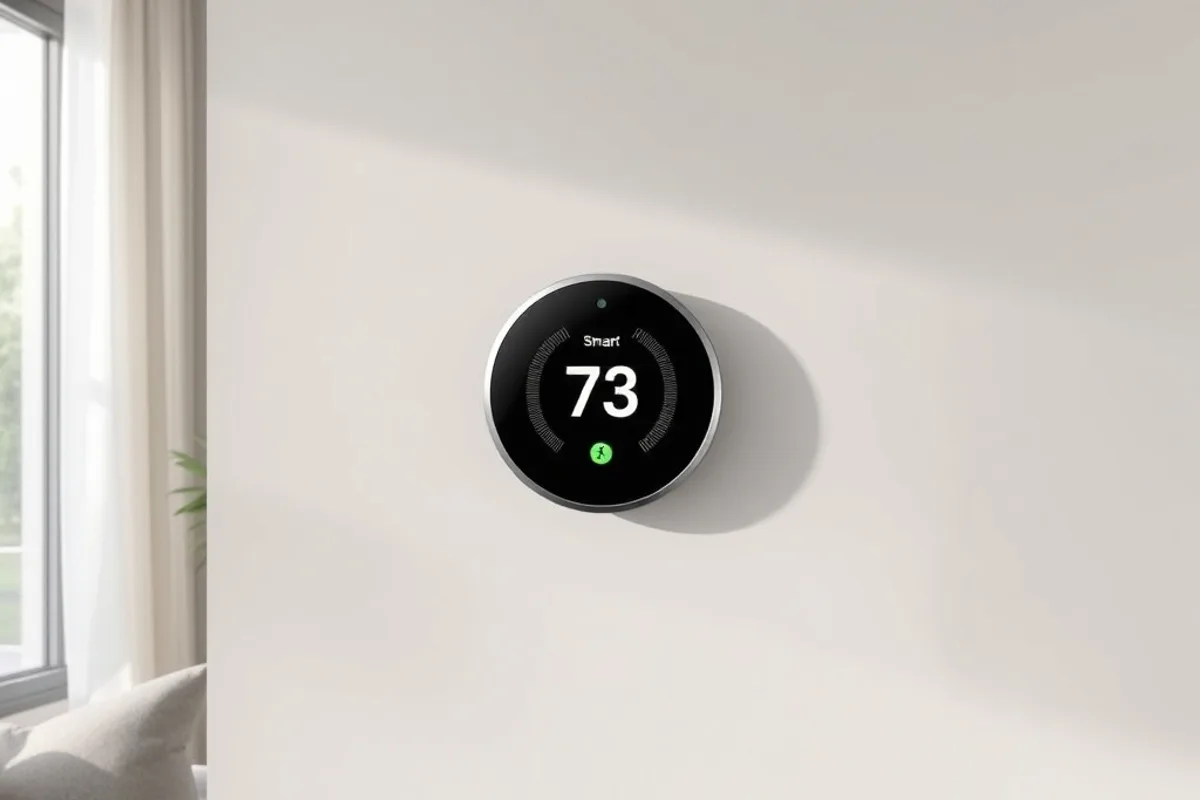
Smart thermostats: the clearest return
Heating and cooling dominate most household energy bills, so small percentage improvements matter. A smart thermostat earns its price by learning the time it takes to reach a temperature and by not heating an empty house. The savings come from scheduling and occupancy detection, not from the app's design.
Expect eight to fifteen percent off heating costs when the schedule matches the household's actual routine. The payback is usually one to two winters. The device must control a compatible system, so check wiring before buying, and keep the old thermostat because some setups lose efficiency with aggressive setback.
Smart plugs and energy monitoring
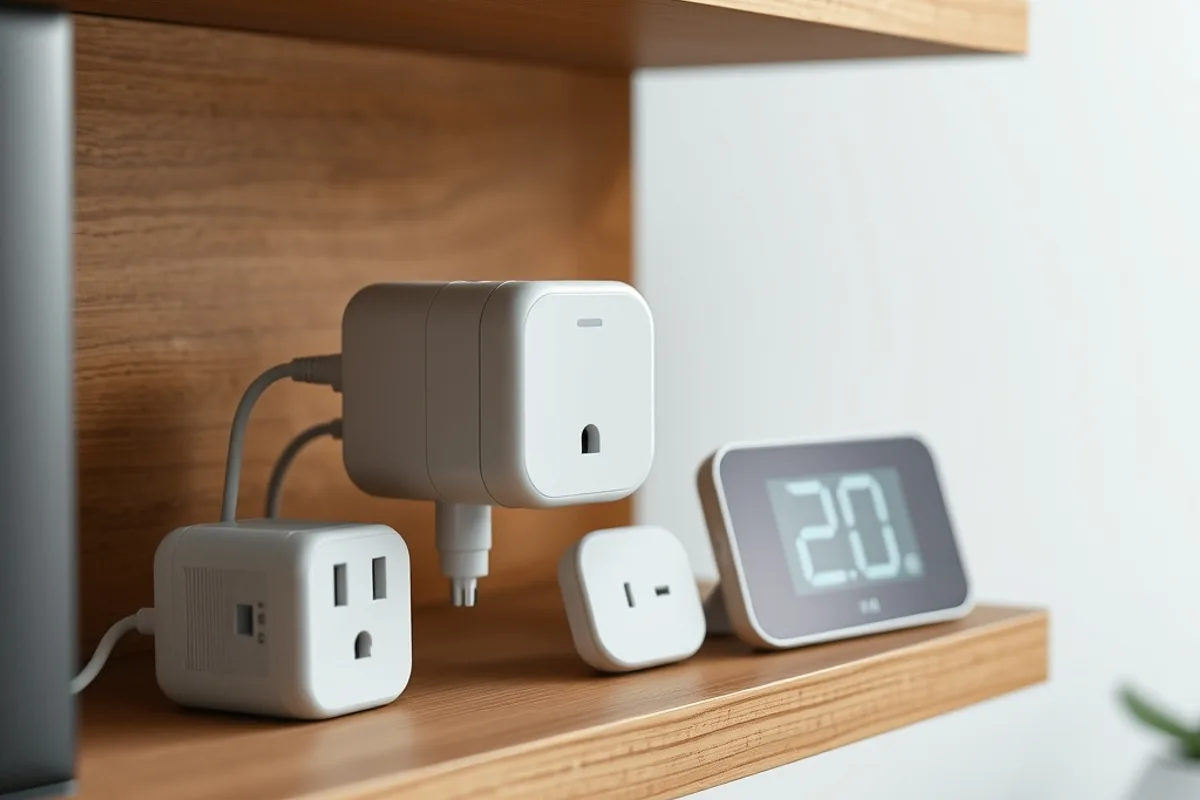
A plug with energy metering turns a vague bill into a list of culprits. Put one on the fridge, the entertainment unit and the space heater for a week and you will find the appliance that runs longer than you assumed. The plug itself saves nothing; the information does.
Use plugs for scheduled loads such as a dehumidifier or a charger that should not run overnight. Avoid using them as permanent switches for high-draw appliances unless the plug is rated for the load. The cheap ones fail warm.
Leak and freeze sensors
These are insurance, not efficiency. A single sensor under the kitchen sink or next to the water heater costs less than a dinner out and can prevent a repair bill with four digits. Add a shut-off valve if the plumbing is old. This is the highest ratio of avoided cost to purchase price in the entire smart home catalogue.
Lighting: savings depend on behaviour
LED bulbs save energy regardless of connectivity. Smart bulbs add scheduling, dimming and colour, which save money only if they replace lights that are otherwise left on. Hallway and exterior lighting on a schedule is a reasonable case. A smart bulb in a bathroom that is switched off by hand is a gadget.
Prefer smart switches over smart bulbs where the switch is the natural control point. They keep the wall behaviour familiar, work with ordinary bulbs and avoid the problem of someone cutting power to a bulb that needs to stay connected.
Robot vacuums and appliances
A robot vacuum saves time, not electricity. Its value is in maintenance frequency: floors kept cleaner last longer, and fewer dust cycles help allergy sufferers. Buy for the floor plan, not the feature list. A cheap model that fits under the furniture beats an expensive one that gets stuck.
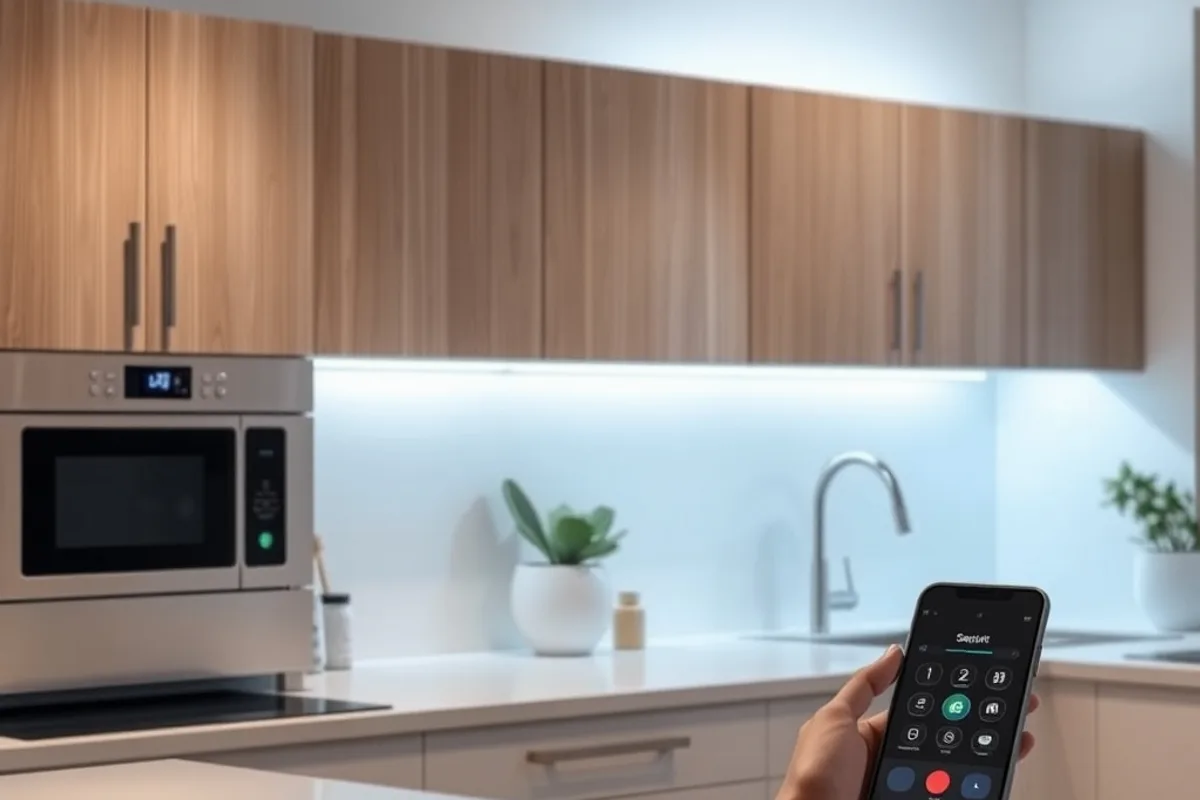
Connected appliances such as ovens and washing machines promise remote control and energy dashboards. The savings are small unless your utility offers time-of-use tariffs and the appliance can schedule around them. Check that the app works without an account before you rely on it.
The hidden costs
Every device adds a hub, a subscription or a firmware update policy. A camera with a cloud plan can cost more over three years than the hardware. Prefer local storage and Matter-compatible devices that work with more than one platform. Budget for a hub only if you need one, and check whether your phone or speaker already acts as one.
Also count the standby load. A dozen always-on devices draw a few watts each, which is small but not zero. Group them on a single strip for rooms used occasionally.
"A smart device saves money only when it changes what the house does, not when it changes what you check."

The bottom line
Buy a thermostat if you heat or cool a home on a schedule. Buy leak sensors before anything else. Use metering plugs to find waste, and treat lighting and vacuums as convenience. If you are building a larger setup, read our Matter and Thread guide so the devices still talk to each other next year.